by Tirestar | Aug 17, 2026 | Tires
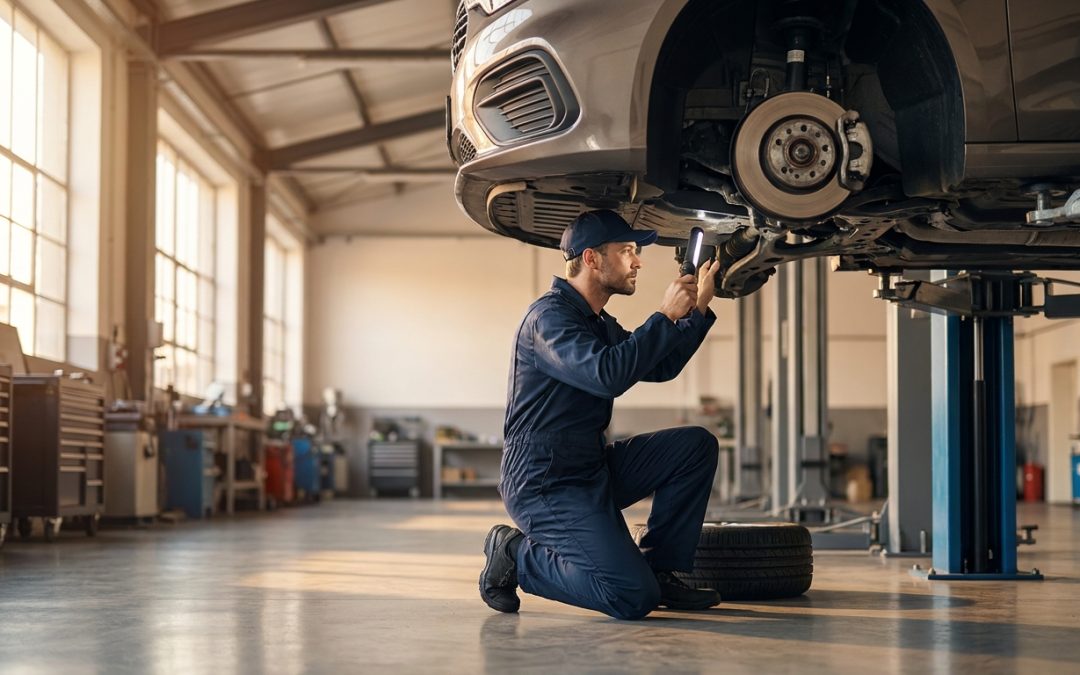
When your steering suddenly feels loose, heavy, or oddly unresponsive, it’s more than an annoyance—it’s a warning sign. Steering feel is one of the clearest “health indicators” your vehicle gives you, and changes often point to problems that affect safety, tire wear,...
by Tirestar | Aug 13, 2026 | Tires
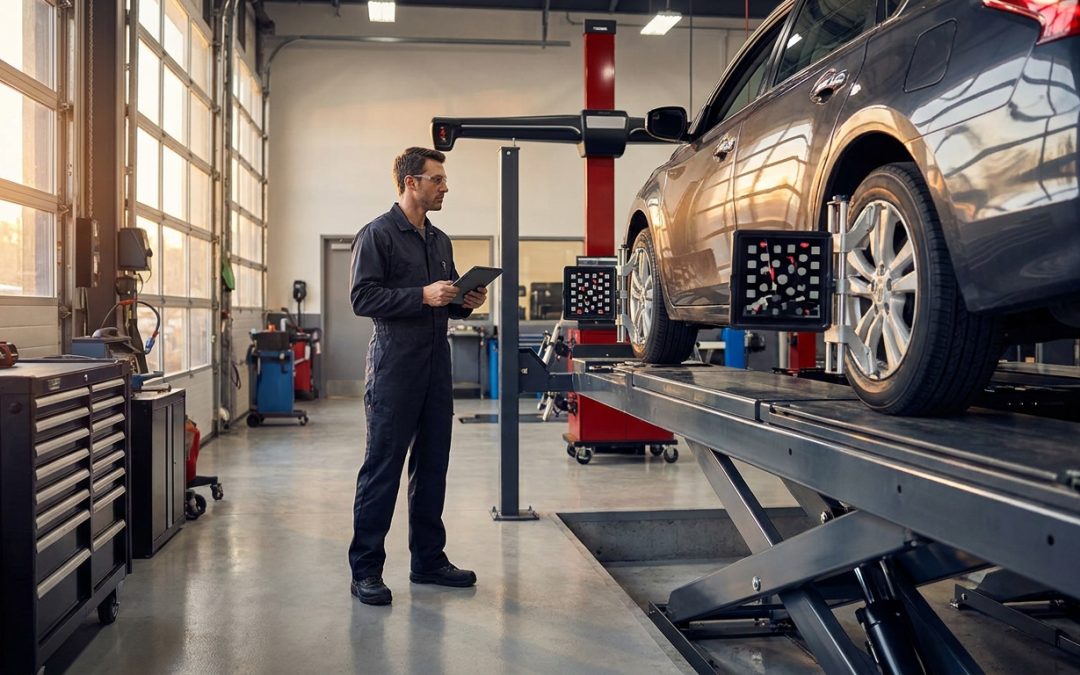
New tires can make your vehicle feel smoother, quieter, and more confident—so it’s natural to assume the job is done once the fresh rubber is mounted and balanced. But many drivers notice something unexpected shortly after: the steering wheel sits slightly off-center,...
by Tirestar | Aug 9, 2026 | Tires
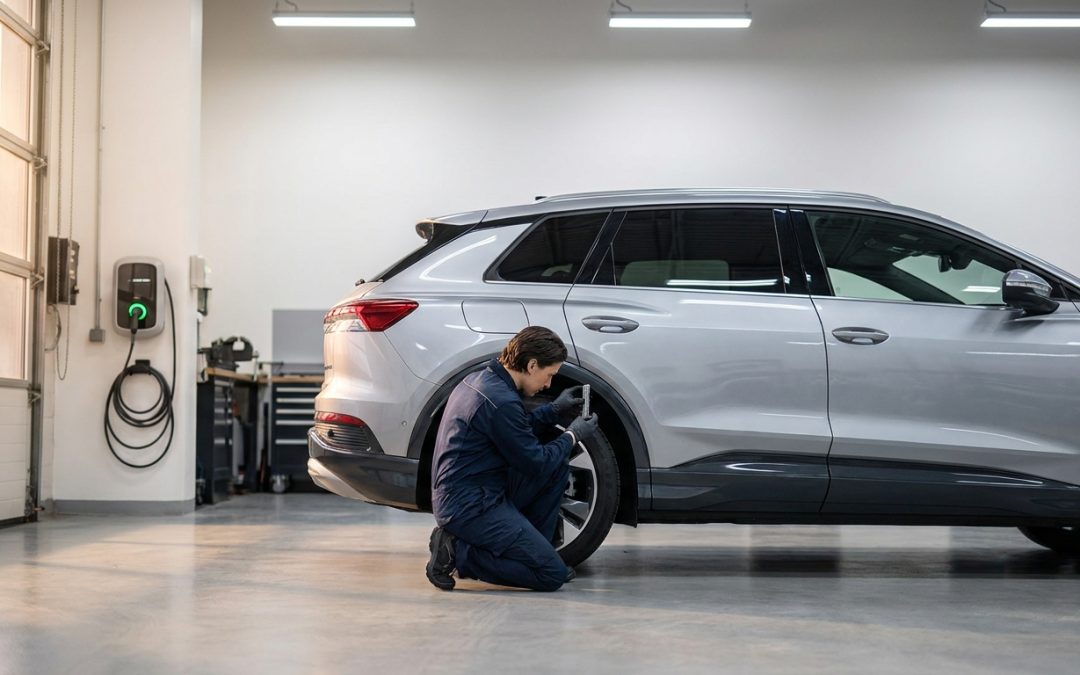
Electric vehicles (EVs) are quieter, smoother, and often quicker off the line than their gas-powered counterparts—but many new owners notice something unexpected: tires that seem to wear out sooner than they’re used to. If you’ve heard that “EVs eat tires,” you’re not...
by Tirestar | Aug 5, 2026 | Tires
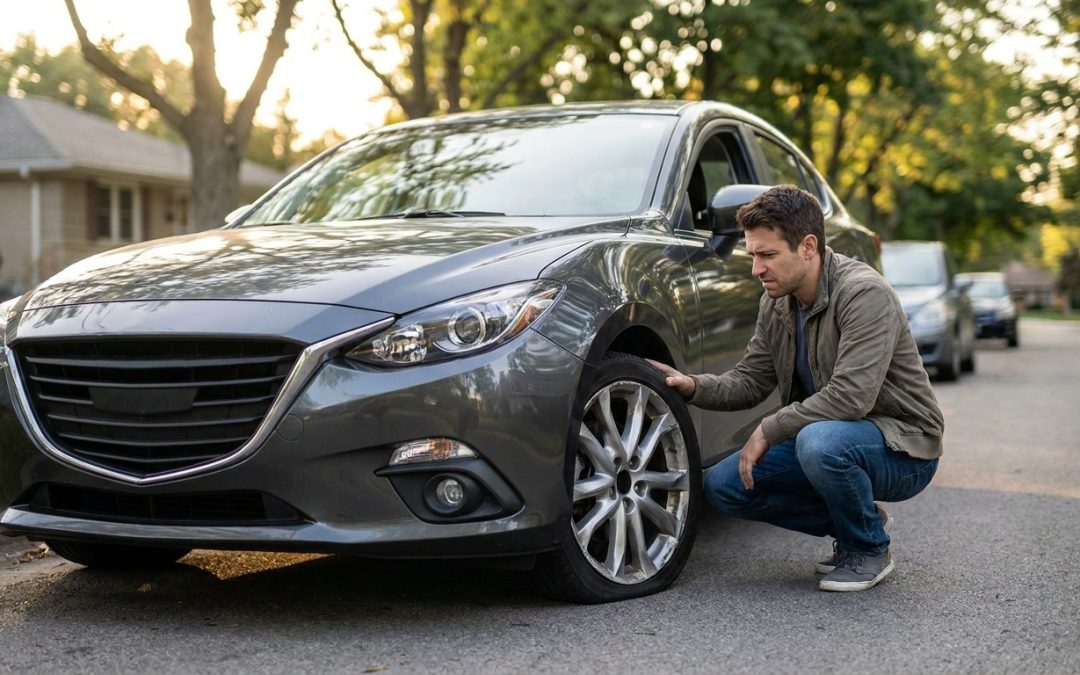
You don’t have to crash to cause real damage—sometimes a single curb strike while parking, avoiding debris, or sliding on ice is enough to knock your vehicle out of spec. The frustrating part is that the problem may not show up immediately. Your car might drive “fine”...
by Tirestar | Aug 1, 2026 | Tires
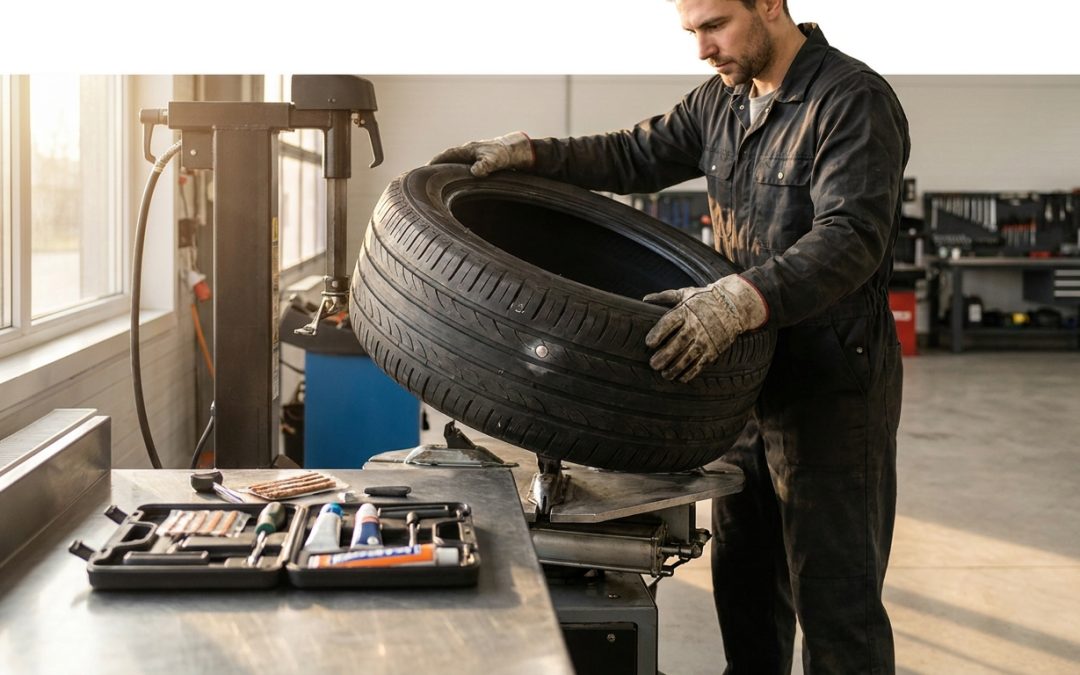
A nail in the tread can turn a normal commute into an urgent question: “Can this tire be safely repaired, and if so, how?” Two common answers—tire plugs and tire patches—sound similar, but they work differently, carry different risks, and are appropriate in different...