
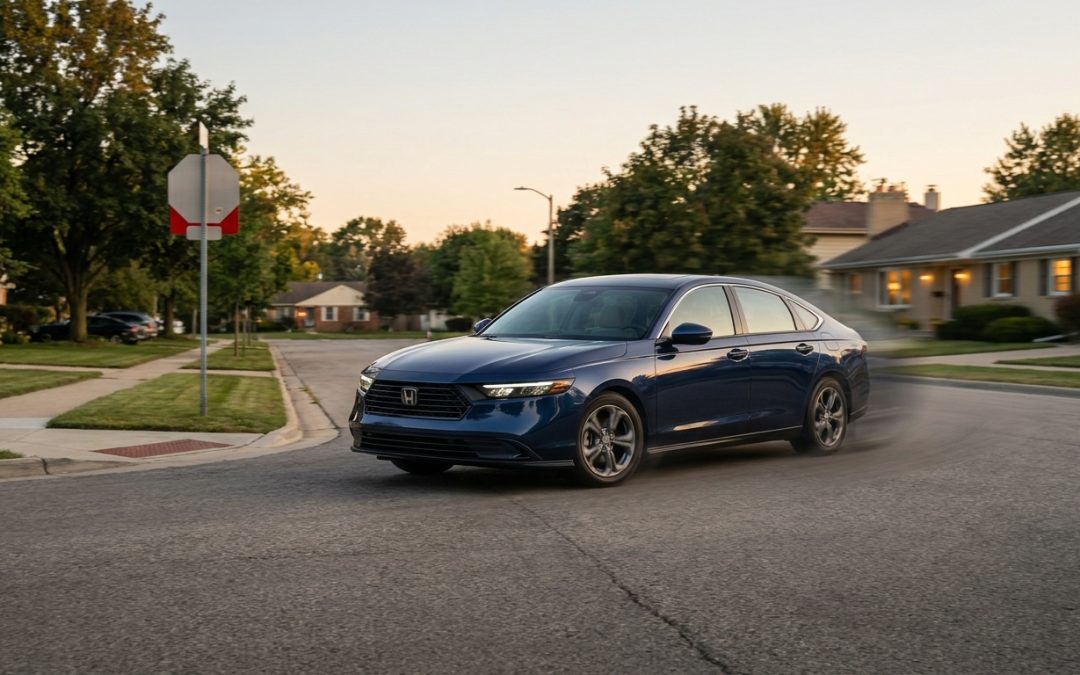
Your car should slow down in a straight, predictable line when you press the brake pedal. If it suddenly yanks left or right, it’s more than an annoyance—it’s a safety warning. A pull while braking can increase stopping distance, make emergency maneuvers harder, and signal problems in your brake system, tires, or suspension. The good news is that most causes are diagnosable with a structured approach, and many are fixable without guesswork.
In this guide, we’ll break down the most common reasons a car pulls to one side while braking, what symptoms to look for, and how to respond. You’ll also learn practical at-home checks, real-world examples of how these issues show up, and when it’s time to stop driving and call a professional.
1) How to Tell If the Pull Is a Brake Issue (or Something Else)
Not every “pull” is caused by the brakes. Some vehicles drift slightly due to road crown (the gentle slope designed for drainage), crosswinds, or uneven tire wear. The key is whether the pull becomes noticeably stronger only when you brake. If the steering stays mostly straight while cruising but jerks to one side under braking, you’re likely dealing with an imbalance in braking force or a component that shifts under load.
Start by noticing when it happens. A pull that occurs at low speeds in a parking lot can point to a sticking caliper, contaminated pad, or tire issue. A pull that’s most obvious at highway speeds can implicate rotor runout, suspension play, or tire construction problems that only show up under higher loads. Also pay attention to whether the pull is consistent (always to the same side) or intermittent (only after driving for a while, after rain, or after a long downhill).
It also matters whether you feel the pull through the steering wheel or through the whole body of the car. If the steering wheel tugs left but the car’s body doesn’t feel like it’s “stepping out,” front brake or front tire issues are more likely. If the rear of the car feels unstable or the vehicle “dog tracks” under braking, rear brake imbalance, rear suspension, or alignment issues may be contributing.
Quick at-home checks before you book service
You can gather useful clues safely without disassembling anything. Find an empty, flat parking lot. Test gentle braking from 20–30 mph with a light grip on the wheel. If the car pulls sharply with only moderate pedal pressure, stop testing and schedule an inspection—this can indicate a severe brake imbalance.
- Check tire pressures cold (before driving). A difference of 5–8 PSI side-to-side can cause drift and can exaggerate braking pull.
- Look for obvious tire issues like a bulge, separated tread, or uneven wear (more on this later).
- Smell for hot brakes after a short drive with minimal braking. A strong burning smell near one wheel can indicate a sticking caliper or parking brake.
- Feel for heat differences carefully without touching the rotor: a wheel that radiates much more heat than the others may be dragging.
These checks won’t replace a professional diagnosis, but they can help you describe the problem accurately and avoid unnecessary parts replacement.
2) Front Brake Hardware Problems: The Most Common Cause
When a car pulls while braking, the front brakes are often the first place to look. Most vehicles rely heavily on the front brakes (often 60–80% of braking force). If one front wheel brakes harder than the other, the vehicle will pivot toward the side with more braking force. That can happen when one caliper clamps more aggressively, one pad has more friction, or one rotor provides better contact than the other.
A classic scenario is a sticking caliper. If a caliper piston doesn’t retract properly, the pad can remain in light contact with the rotor. That creates heat, uneven pad wear, and unpredictable braking behavior. Sometimes the pull is strongest after a longer drive because heat expands components and makes the sticking worse. Other times the pull is strongest at the start of the day and improves as things warm up—both patterns can happen depending on the failure mode.
Another common culprit is frozen or dry caliper slide pins. Many floating calipers rely on slide pins to distribute clamping force evenly across the pads. If one pin binds, the caliper can’t center itself, so one pad does most of the work. That wheel will brake harder, causing a pull, and it can also create tapered pad wear or a single pad that’s worn down much faster than its partner.
Brake pulls can also come from uneven pad material or contamination. If a pad gets soaked with grease, brake fluid, or power steering fluid, its friction level changes. One side may bite harder, especially during the first stop or two. Similarly, if pads were replaced only on one side (or with mismatched pad compounds), differences in friction can show up as a pull.
Real example: “It pulls right after the first stop”
A common real-world complaint is: “The first time I brake in the morning, it pulls right, then it’s better.” This can happen when the left caliper is slightly stuck or the left pad is glazed. The right side “bites” immediately while the left is delayed, so the car pivots right. After a couple stops, heat and abrasion temporarily restore balance—until the next cold start. In this situation, a shop will typically inspect pad glazing, rotor condition, and caliper movement rather than jumping straight to rotor replacement.
Actionable tips for brake hardware issues
- Don’t replace one caliper or one set of pads only unless a technician confirms it’s appropriate. Brake components should generally be serviced in axle pairs to maintain balance.
- Ask for a slide pin inspection and lubrication during pad replacement. It’s inexpensive and prevents many “mystery pulls.”
- Request pad wear measurements on inner and outer pads. Uneven readings often reveal slide pin or piston issues.
- Watch for warning signs: burning smell, wheel dust much heavier on one side, or a wheel that’s noticeably hotter after routine driving.
If you suspect a sticking caliper, avoid long drives and heavy braking. A dragging brake can overheat the rotor, boil brake fluid, and damage wheel bearings.

3) Brake Rotors, Pads, and Friction Imbalance (Beyond “Warped Rotors”)
Many drivers assume any braking problem is “warped rotors,” but pulling is more often about friction differences than actual rotor warpage. Rotors can develop thickness variation, runout, or uneven transfer layers from the pad material. These issues may not always create steering-wheel vibration, but they can cause one side to grab more than the other, especially during light-to-moderate braking.
Rotor thickness variation (RTV) can lead to a pulsing pedal and inconsistent braking torque. If one front rotor has more variation than the other, the braking force can fluctuate side-to-side. This can feel like a pull that comes and goes within a single stop, particularly as the vehicle slows through certain speed ranges.
Pad glazing is another overlooked cause. If pads overheat (for example, after riding the brakes down a mountain or repeated hard stops), the surface can harden and lose consistent friction. One side may glaze more than the other depending on caliper condition, airflow, or prior wear. Glazed pads can cause a pull, squeal, or a “wooden” pedal feel.
Also consider improper bedding-in (break-in) of new pads and rotors. If the pads weren’t bedded properly, you can get uneven pad material transfer onto the rotor face. That uneven layer changes friction characteristics and can create a pull or vibration. It’s not always solved by simply replacing parts again—sometimes resurfacing or cleaning the rotor face and re-bedding correctly restores smooth braking.
What to ask a shop to measure
If you’re paying for brake work, ask for objective measurements rather than assumptions. A quality brake inspection should include rotor thickness, rotor runout (with a dial indicator), and pad condition on both sides.
- Rotor runout: Excessive runout can cause uneven contact and torque steer under braking.
- Rotor thickness: Compare left vs. right; large differences can contribute to imbalance.
- Pad compound match: Confirm the same pad type is installed on both sides of the axle.
Actionable advice: preventing friction-related pulls
To reduce the odds of friction imbalance, avoid mixing pad brands or compounds on the same axle. If you do your own brake work, clean and torque lug nuts evenly—uneven lug torque can distort the rotor hat and contribute to runout. And after installing new pads/rotors, follow the manufacturer’s bedding procedure (often a series of moderate stops with cool-down time). These small steps reduce uneven transfer layers and help keep braking straight.
If you’ve recently had brake work and the pull started immediately afterward, that’s a major clue. It could be a seized slide pin that wasn’t addressed, a contaminated pad, a mismatched pad set, or a rotor that wasn’t cleaned properly. Return to the installer promptly—many shops will recheck their work under warranty.
4) Tire and Wheel Issues That Mimic Brake Pull
Tires are the only contact point between your car and the road, so they can absolutely influence how the vehicle behaves under braking. In fact, some “brake pulls” are actually traction differences between the left and right tires. When braking loads the front axle, a tire with lower grip, different tread depth, or a compromised internal structure can slip earlier, making the car pull toward the side with more grip.
Uneven tire pressure is the simplest and most common tire-related cause. A tire that’s significantly underinflated changes its contact patch and rolling resistance. Under braking, the vehicle can feel like it’s wandering or pulling, especially if the front pressures differ side-to-side. Always start diagnosis with a cold pressure check and inflate to the door-jamb specification (not the number on the tire sidewall).
Uneven tread depth left-to-right can also create a pull, particularly on wet roads. A tire with more tread depth evacuates water better and maintains grip, while the more worn tire may hydroplane earlier under braking. This can feel like a sudden tug when you hit standing water or brake on a rainy day. If the pull is dramatically worse in wet conditions, tires move up the suspect list.
Finally, a less obvious but important issue is tire conicity or internal belt shift. A tire can develop a built-in “cone” shape due to manufacturing variation or damage, causing it to generate a lateral force even when aligned properly. Under braking, that lateral force can become more noticeable. A belt separation or shifted belt can also cause vibration, noise, or a pull that changes with speed.
Real example: “New brakes didn’t fix it”
A driver replaces pads and rotors because the car pulls left when braking, but the pull remains. A tire rotation then moves the pull to the right. That’s a strong sign the pull is tire-related, not brake-related. In these cases, a shop may perform a “cross-rotation” test (swap front tires left-to-right) or use a road-force balancer to identify a tire generating excessive lateral force.
Actionable tire and wheel checks
- Verify cold tire pressures and correct them first. Re-test braking after.
- Inspect tread depth across each tire and compare left vs. right. Look for cupping, feathering, or one shoulder worn down.
- Rotate tires (front-to-rear if directional constraints allow) and see if the pull changes direction or intensity.
- Check wheel torque and ensure lug nuts are tightened evenly to spec. Uneven torque can affect rotor seating and wheel alignment feel.
If the pull changes after rotating tires, prioritize tire diagnosis. Replacing brake parts won’t solve a tire that has internal damage or mismatched traction.
5) Alignment, Suspension, and Steering Problems Exposed by Braking
Braking transfers weight forward and increases load on suspension and steering components. If anything is loose, worn, or misaligned, that weight transfer can cause a sudden change in toe or camber—making the car dart to one side. In these cases, the brakes may be working normally, but the chassis can’t hold alignment under load.
Alignment issues such as uneven caster or toe can contribute to brake pull. Caster differences side-to-side can cause a vehicle to drift, and braking can amplify the effect because the front suspension compresses and changes geometry. If your steering wheel is off-center, the car wanders, and the pull is present even without braking (but becomes worse when braking), an alignment check is a smart step.
Worn control arm bushings are a frequent hidden cause. When you brake, the control arm experiences significant force. A torn bushing can allow the wheel to shift backward or inward, changing toe dynamically. That can feel like a strong pull or a “twitch” when you first apply the brakes. Similarly, worn ball joints, tie-rod ends, and steering rack mounts can let the front wheels steer themselves slightly under braking.
Wheel bearing play can also create strange braking behavior. If a bearing is loose, the rotor and hub may not stay perfectly aligned with the caliper under load. That can lead to inconsistent pad contact and a pull. Bearing issues often come with a growling noise that changes with speed or when cornering.
Signs the pull is suspension-related
- Clunking or knocking when braking or going over bumps
- Steering wheel changes position slightly when you brake
- Uneven tire wear (feathering or rapid shoulder wear)
- Pull varies with road bumps or during braking while turning
Actionable next steps
If you suspect suspension or alignment, request a shop inspection that includes a “brake pull check” plus a front-end shake-down: checking tie rods, ball joints, control arm bushings, and wheel bearings for play. Importantly, fix worn parts before paying for an alignment; otherwise, the alignment may not hold.
For drivers who frequently carry heavy loads or tow, consider that worn bushings can show up sooner. Extra weight increases braking forces and accelerates bushing wear, making brake pull more likely even if the brakes themselves are in good shape.
6) Rear Brakes, ABS, and “When to Stop Driving” Safety Guidance
While front brakes are the usual suspects, rear brake issues can also cause pulling—especially on vehicles with sensitive stability systems or where rear brake balance is off. Rear drum brakes that are out of adjustment, contaminated, or unevenly worn can create side-to-side differences that become noticeable during braking. Rear calipers can stick too, particularly on vehicles where the parking brake mechanism is integrated into the caliper.
Parking brake problems are a surprisingly common cause of pull. If a parking brake cable is partially seized, one rear brake may drag. Under braking, that side can contribute more braking force than intended, nudging the car sideways. Drivers often notice this as a pull that worsens after rain, snow, or long periods of sitting—conditions that encourage corrosion in cables and mechanisms.
ABS and stability control can complicate diagnosis. If a wheel speed sensor is faulty or a tone ring is damaged, the ABS may activate incorrectly on one wheel, reducing brake force there and causing a pull. You might feel a buzzing pedal or hear ABS chatter at low speeds on dry pavement—an important clue. Not all ABS-related pulls trigger a warning light immediately, so symptoms matter.
Finally, it’s important to know when a brake pull is dangerous enough to stop driving. A mild drift that only appears during gentle braking may allow you to drive cautiously to a shop. But a sudden, strong pull can indicate a stuck caliper, failing hose, or major suspension play—conditions that can escalate quickly.
When it’s not safe to keep driving
- The car yanks hard with moderate pedal pressure or crosses lanes
- Brake pedal feels spongy, sinks, or braking power drops suddenly
- Smoke, burning smell, or extreme heat from one wheel area
- ABS activates unexpectedly on dry roads repeatedly
- Grinding noises or metal-on-metal sounds when braking
If any of these occur, reduce speed, avoid hard braking, and pull over safely. A tow is cheaper than a crash—and cheaper than replacing rotors, calipers, and bearings after a brake overheats.
How a technician typically diagnoses brake pull (what you’re paying for)
A thorough diagnosis usually includes a road test, temperature comparison at each wheel, visual inspection of pads/rotors, checking caliper operation and hose condition, and a front-end inspection for looseness. Many shops will also scan ABS codes and look at live wheel-speed sensor data. If you communicate your observations clearly—when it happens, whether it’s worse hot or cold, and whether it changes on wet roads—you help the technician narrow the cause faster and more accurately.
Conclusion: Fix the Imbalance, Not Just the Symptom
A car that pulls to one side while braking is almost always the result of an imbalance—either one wheel braking harder, one tire gripping differently, or suspension geometry shifting under load. The most common causes include sticking calipers, seized slide pins, contaminated or mismatched pads, rotor friction issues, uneven tire pressure or tread, and worn suspension components that only reveal themselves during weight transfer.
The most effective path is a structured approach: start with tire pressures and a visual tire check, then consider brake hardware and friction balance, and finally look at alignment and suspension play. Real-world clues—like whether the pull changes after tire rotation, worsens after a long drive, or appears only in the rain—can quickly point you toward the right system.
Key takeaways: Don’t ignore a braking pull, don’t assume it’s always “warped rotors,” and don’t replace parts blindly. Get a proper inspection, service brakes in axle pairs when appropriate, and address tire and suspension issues that can mimic brake problems. Straight, stable braking isn’t just about comfort—it’s a core safety requirement for every drive.