
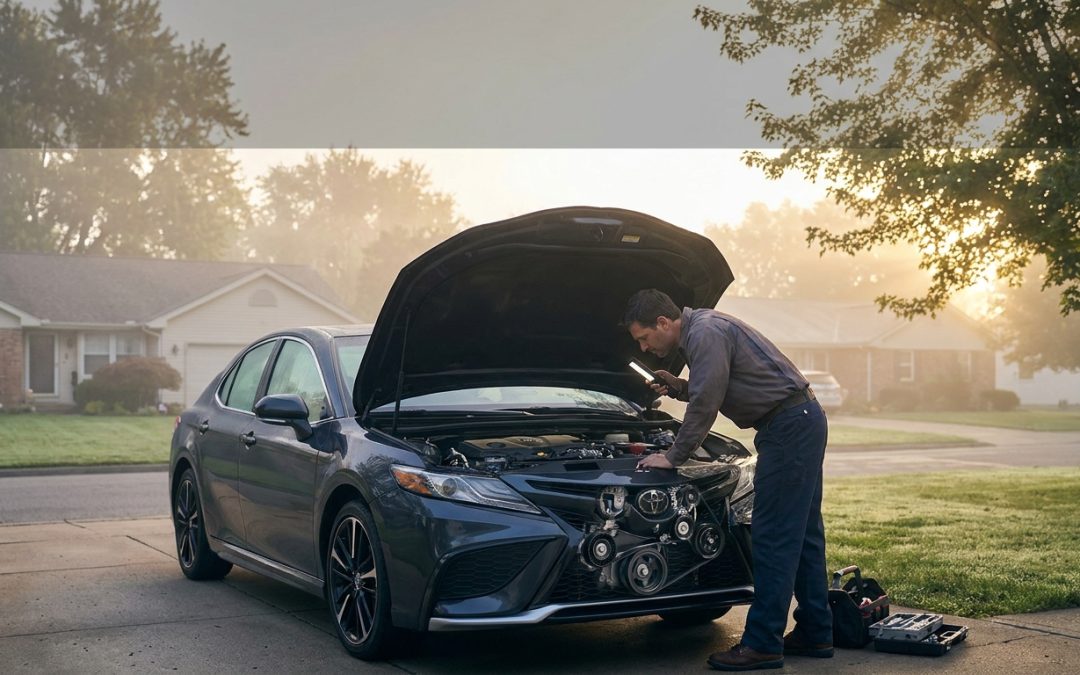
You turn the key (or press the start button) and the engine fires—then a sharp squeal slices through the morning quiet. It might last half a second or hang on for several seconds, but it’s loud enough to make you wonder what just happened under the hood. While a startup squeal is often “just” a belt slipping, it can also be an early warning sign of charging, cooling, steering, or even engine accessory problems that can leave you stranded if ignored.
In most cases, the sound is friction: a rotating pulley and a belt that isn’t gripping the way it should. Cold temperatures, moisture, worn rubber, weak tension, or a failing pulley bearing can all set the stage. The key is to treat the squeal like a symptom, not the diagnosis. This guide breaks down what squealing under the hood at startup could mean, how to narrow it down safely, and what fixes actually solve the problem (instead of masking it).
Why a Startup Squeal Happens (What the Sound Is Telling You)
When you start your car, several accessories demand immediate power. The alternator has to recharge the battery after cranking. The water pump begins circulating coolant. The A/C compressor may engage depending on settings. The power steering pump (in hydraulic systems) starts working as soon as you turn the wheel. All of these components are driven by a belt system—typically a serpentine belt on modern vehicles or multiple V-belts on older ones.
A squeal is most commonly a belt slipping on a pulley. Rubber belts rely on friction to transfer torque. If the belt is glazed, stretched, contaminated (oil/coolant), or not tensioned correctly, it can slip—especially during the first moments after startup when loads spike. That slip produces a high-pitched squeal, similar to a brief tire squeal when accelerating hard.
Startup squeals are also influenced by the environment. In cold weather, belts can stiffen and lose grip until they warm slightly. Moisture from overnight condensation can create a thin film on pulleys. Even a small change in friction can be enough to trigger a squeal for a second or two. That’s why some drivers only hear it in winter or after rain.
However, you shouldn’t assume it’s harmless. A belt squeal can be the first clue that a pulley bearing is failing, a tensioner is weak, or an accessory is binding. If the belt continues to slip, it can overheat, crack, shred, or come off entirely—potentially disabling the alternator (no charging), water pump (overheating), or power steering assistance.
Quick “sound profile” clues
Pay attention to when the noise happens and how it changes. These clues can help you (or your technician) pinpoint the cause faster and avoid replacing parts unnecessarily.
- Squeal only for 1–2 seconds at startup: often belt slip due to moisture/cold or slightly low tension.
- Squeal that continues longer or repeats: worn belt, weak tensioner, misaligned pulley, or failing accessory bearing.
- Squeal when turning the steering wheel: power steering belt/load issue or low power steering fluid (hydraulic systems).
- Squeal when A/C turns on: belt slip under compressor load or compressor clutch/bearing issues.
- Chirp or rhythmic squeak: often a pulley bearing or misalignment rather than pure belt slip.
Most Common Culprit: Serpentine Belt Wear, Contamination, or Incorrect Tension
The serpentine belt is the single, long belt that drives multiple accessories. Because it handles several loads at once, it’s also the most common source of startup squealing. Over time, belt rubber hardens, the ribs wear down, and the belt can glaze (becoming shiny). A glazed belt is less “grippy,” so it slips more easily when the alternator and other accessories demand torque right after startup.
Contamination is another frequent trigger. A small oil leak from a valve cover gasket, a power steering seep, or a coolant mist from a minor hose leak can coat the belt. Rubber that’s been exposed to fluids can swell, soften, or lose friction. Even if the leak is minor, the belt can squeal loudly because the pulley-belt interface is compromised.
Tension matters just as much as belt condition. Many vehicles use an automatic spring-loaded tensioner designed to maintain proper belt tension as the belt stretches with age. If the tensioner spring weakens or the tensioner pivot binds, the belt can be too loose during high-load moments—like startup—causing a squeal. On older setups with manual adjustment, belts can loosen over time, especially after temperature cycles.
Real-world example: a driver hears a squeal only on cold mornings. The belt looks “fine” at a glance, so they spray belt dressing. The squeal goes away for a week, then returns worse. The underlying issue is a weak tensioner that can’t maintain proper tension; belt dressing temporarily increases tackiness but also attracts dirt, accelerating wear. The correct fix is replacing the tensioner (and often the belt at the same time).
Practical checks you can do (safely)
You don’t need to be a mechanic to gather useful information, but safety is critical: keep hands, clothing, and tools away from moving parts. Perform visual inspections with the engine off.
- Inspect the belt ribs: look for cracks, missing chunks, fraying edges, or a glossy “glazed” surface.
- Check for contamination: oily sheen, wet spots, or coolant residue near the belt path.
- Look at the tensioner position: many tensioners have an indicator mark showing if the belt is within range.
- Listen for changes: if the squeal happens when you turn on headlights, rear defroster, or A/C, it suggests load-related belt slip.
Tip: Avoid using belt dressing as a “fix.” It can mask symptoms, attract grit, and make diagnosis harder. If a belt is squealing, the right solution is to address belt condition, tension, alignment, or a failing accessory.
Accessory Pulleys and Bearings: Alternator, Idler, Tensioner, and A/C
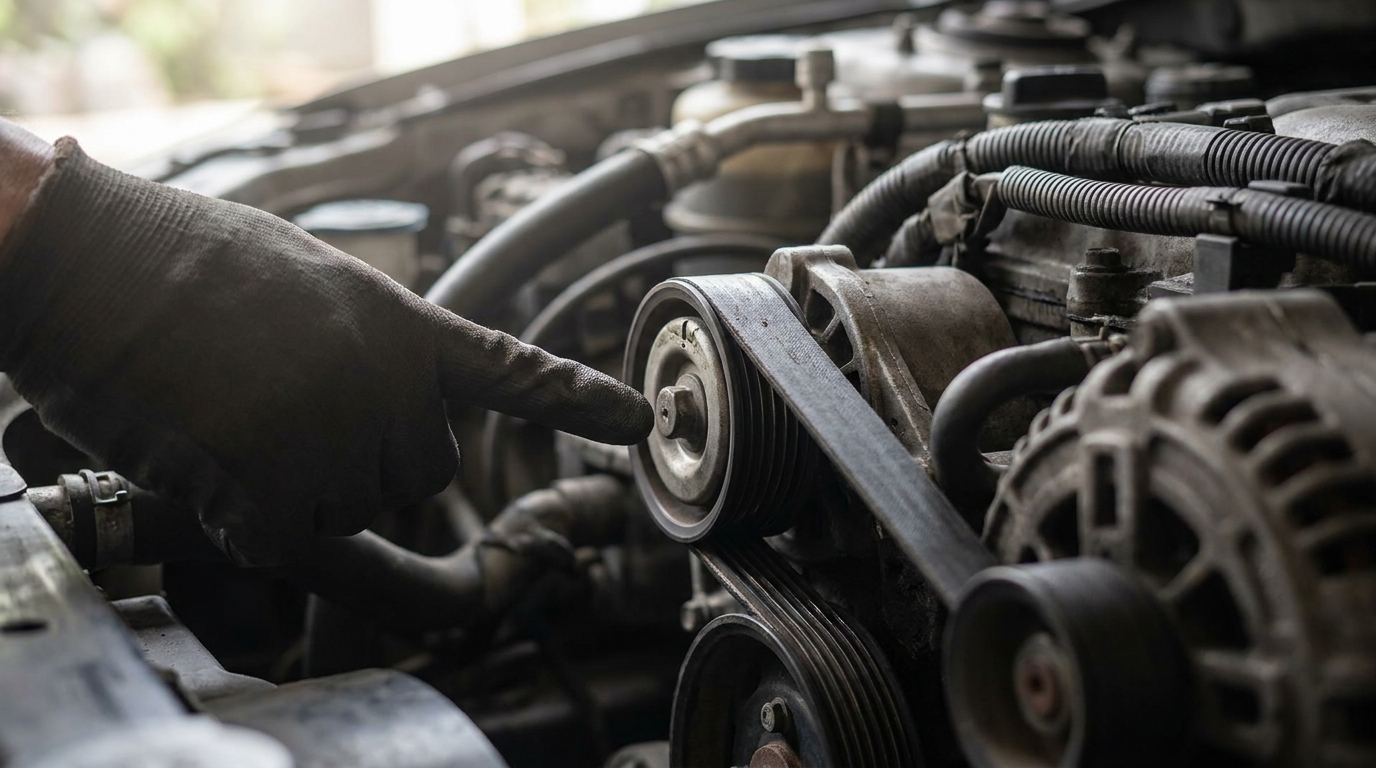
If the belt is in decent shape, the next place to look is the pulleys it rides on. Each pulley has a bearing, and bearings wear. When a bearing dries out, develops play, or begins to seize, it can create extra resistance. That resistance increases belt load and can cause squealing at startup—especially when the alternator is working hard to replenish the battery after cranking.
The alternator is a common factor because it experiences a heavy load immediately after startup. If your battery is weak (or you make lots of short trips), the alternator has to work harder to recharge it. A belt that’s marginal may squeal only under that initial charging load. In some cases, the alternator itself has a failing bearing that produces a whine or squeal-like sound, often changing with engine RPM.
Idler pulleys and tensioner pulleys are also frequent offenders. These pulleys don’t power an accessory; they guide the belt and maintain routing. Because they spin constantly whenever the engine runs, their bearings can wear out. A failing idler pulley often produces a chirp or squeak that may be mistaken for belt noise. Left unchecked, a seized idler can shred a belt quickly.
The A/C compressor clutch and pulley bearing can squeal at startup if the compressor engages immediately (common when defrost mode is selected). If the compressor is starting to bind internally, it can cause belt slip or a sharp squeal when the clutch kicks in. You may notice the squeal correlates with A/C settings or defrost usage.
Actionable diagnostic hints (without special tools)
While a proper diagnosis may require a mechanic’s stethoscope and hands-on testing, you can still gather clues that point to the right area.
- Does the sound change with electrical load? Turn on headlights, blower fan, and rear defroster after startup. If squeal increases, alternator load and belt grip are suspect.
- Does the sound correlate with A/C or defrost? If squeal appears only when A/C is on, suspect compressor clutch load or belt tension.
- Is there a burning rubber smell? That can indicate significant belt slip—stop driving and inspect before the belt fails.
Real example: A vehicle squeals every morning for 10 seconds and then stops. Belt is new. The tensioner looks fine. A shop finds the idler pulley bearing is rough and slightly seized when spun by hand with the belt removed. Replacing a $30–$80 pulley prevents a sudden belt failure that could have caused overheating or a dead battery on the road.
Power Steering and Steering-Related Squeal at Startup
If the squeal is most noticeable when you turn the steering wheel—especially right after starting—the power steering system deserves attention. Many vehicles still use hydraulic power steering with a belt-driven pump. When you turn the wheel at low speed or at idle, the pump load spikes. A loose belt may squeal dramatically during that moment, even if it’s quiet otherwise.
Low power steering fluid can also contribute. When fluid is low, the pump can cavitate (draw air), increasing noise and reducing lubrication. This doesn’t always create a classic belt squeal; sometimes it’s a groan or whine. But if the pump is working harder due to low fluid or internal wear, the belt may slip and squeal under the increased load.
Leaks are common around hoses, clamps, or rack seals. A slow leak can go unnoticed until the fluid level is low enough to cause noise. If you top off fluid without addressing the leak, the problem will return. Worse, leaking fluid can contaminate the serpentine belt, creating squeal even when you aren’t turning the wheel.
For vehicles with electric power steering (EPS), there is no belt-driven pump. If your car has EPS and you hear a startup squeal, the cause is more likely belt/pulley related to the alternator or A/C, not steering. Knowing which system you have helps narrow the diagnosis quickly.
What to do if steering triggers the squeal
- Check fluid level (hydraulic systems): follow the owner’s manual for the correct procedure and fluid type.
- Look for leaks: wet hoses, damp pump body, or fluid on the undertray/driveway.
- Avoid holding the wheel at full lock: it spikes pump load and can worsen belt slip and pump wear.
Tip: If the steering feels heavy, jerky, or inconsistent along with the squeal, treat it as urgent. Power steering issues can escalate quickly and affect vehicle control at low speeds.
Cooling System and Overheating Risk: Water Pump, Belt Routing, and Tensioner Health
On many engines, the serpentine belt drives the water pump. If the belt slips badly, coolant circulation may be reduced—especially at idle. That can lead to overheating, which is one of the fastest ways to cause expensive engine damage. A startup squeal that persists, combined with a rising temperature gauge, should be treated as a “stop driving and inspect” situation.
A failing water pump can also create noise. Some pumps develop bearing play or begin leaking from the weep hole. The bearing may squeal or grind, and the increased drag can cause belt slip. If you see coolant residue or crusty deposits near the water pump area, it’s a strong clue that the pump is failing.
Belt routing and pulley alignment matter, too. If a pulley is slightly misaligned—due to an improperly installed part, a bent bracket, or a worn tensioner arm—the belt can track incorrectly. This can produce squealing, chirping, or edge wear. Over time, misalignment can shred the belt or cause it to walk off a pulley.
Drivers sometimes replace only the belt, but if the tensioner is weak or a pulley is misaligned, the new belt may squeal again within days. A more complete repair approach—belt plus tensioner and any noisy pulleys—often saves money long-term by preventing repeat failures and roadside breakdowns.
Warning signs that point to cooling-related urgency
- Temperature gauge rising above normal or fluctuating unexpectedly.
- Coolant smell (sweet odor) near the front of the engine.
- Visible coolant leaks around the water pump, radiator, or hoses.
- Steam from under the hood or coolant puddles after parking.
Actionable advice: If you suspect belt slip is affecting the water pump, avoid driving “just a little farther.” Overheating damage can occur quickly. Have the vehicle towed if the temperature is climbing or the belt appears damaged.
How to Diagnose and Fix Startup Squeal (Step-by-Step, What to Expect at the Shop)
Because multiple issues can produce similar sounds, a structured approach helps. Start with the simplest, most common causes—belt condition and tension—then move outward to pulleys, bearings, and accessory loads. If you’re not comfortable inspecting under the hood, a reputable shop can usually diagnose the source quickly, and the cost of diagnosis is often far less than the cost of replacing random parts.
At home, begin with observation: when does it squeal, how long, and under what conditions? Note whether it happens only when cold, only when wet, or only when you turn on the A/C. This information is valuable to technicians because intermittent squeals can disappear by the time the car reaches the shop.
In a professional diagnosis, a technician may check belt wear, measure tension (or evaluate tensioner travel), inspect pulley alignment, and listen to accessory bearings. They may also remove the belt to spin pulleys by hand to feel for roughness or play. On some vehicles, they may use a scan tool to check charging system behavior or confirm A/C clutch engagement patterns.
Repair quality matters. Correct parts, correct torque, and proper belt routing are essential. A misrouted belt or a low-quality aftermarket pulley can create new noises. After repairs, a good shop will verify the squeal is gone under the same conditions that caused it—cold start, A/C on, steering input, and electrical load.
DIY-friendly steps (with safety first)
- Document the squeal: record a short video/audio clip from a safe distance for reference.
- Visual belt inspection (engine off): look for cracks, glazing, fraying, missing ribs.
- Check for leaks: oil/coolant near the belt path can cause slip and belt degradation.
- Review maintenance history: if the belt is old and unknown, replacement is often justified.
Common fixes and what they typically solve
Not every squeal requires a major repair, but the fix should match the cause.
- Replace serpentine belt: fixes squeal from wear, glazing, age-related hardening.
- Replace belt tensioner: fixes squeal from weak spring tension, bouncing belt, poor load handling.
- Replace idler/tensioner pulley: fixes chirps/squeaks from bearing wear and prevents belt shredding.
- Repair leaks (oil/coolant/power steering): prevents recurring squeal and extends belt life.
- Service/replace accessory (alternator, A/C, water pump): fixes squeal when the accessory is binding or its bearing is failing.
What not to do
Some quick “hacks” can make things worse or delay a necessary repair.
- Don’t ignore a persistent squeal: belts can fail suddenly, leading to overheating or loss of charging.
- Don’t spray chemicals on a moving belt: it’s unsafe and can contaminate components.
- Don’t replace parts blindly: a new belt won’t fix a seized pulley or weak tensioner.
Conclusion: Key Takeaways When Your Car Squeals at Startup
Squealing under the hood at startup is usually your vehicle’s way of telling you that a belt is slipping or an accessory drive component is struggling. The most common causes include a worn or glazed serpentine belt, a weak or sticking tensioner, contaminated belt surfaces from leaks, or failing pulley bearings (idler, tensioner, alternator, or A/C). In some cases, steering input or A/C engagement provides an important clue by increasing load and triggering the noise.
The smartest next step is to treat the squeal as a diagnostic signal: note when it happens, inspect the belt and surrounding area for wear or leaks, and avoid temporary “band-aids” like belt dressing. If the squeal is persistent, getting it checked promptly can prevent bigger problems—like a snapped belt, dead battery, overheating, or loss of power steering assist.
Bottom line: a brief squeal on a cold, damp morning may be minor, but repeated or worsening squeals deserve attention. Addressing belt condition, tensioner health, and pulley bearings early is one of the most cost-effective ways to keep your vehicle reliable and avoid inconvenient (and expensive) breakdowns.