
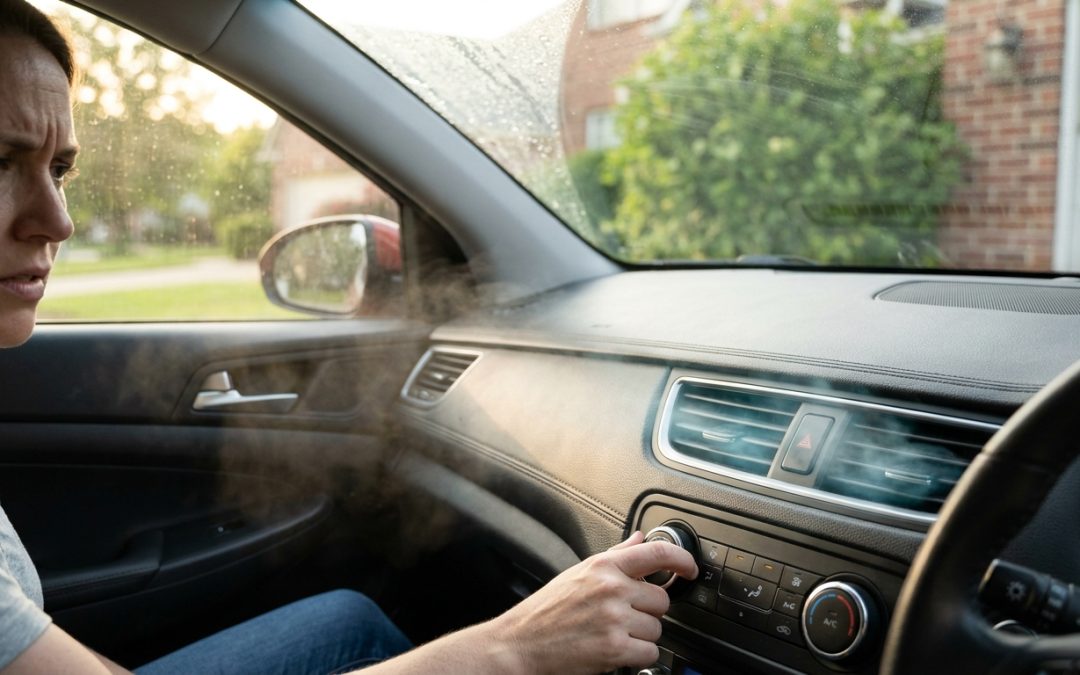
You turn on the air conditioning expecting a clean, cool blast—then a damp, musty odor hits you like a forgotten gym bag. If your car’s AC vents smell like mildew, wet socks, or a stale basement, you’re not alone. This is one of the most common comfort complaints drivers have, and it’s usually a sign that moisture and organic material are lingering somewhere in the HVAC system.
The good news: most musty AC smells are fixable without major repairs, and you can often prevent them from returning with a few simple habits. The key is understanding what’s causing the odor, where it’s coming from, and when a DIY approach is enough versus when you should involve a professional.
In this guide, we’ll break down the most frequent causes of musty smells from car AC vents, the practical solutions that actually work, and a step-by-step prevention plan. You’ll also learn how to tell the difference between harmless mildew and odors that could signal a bigger issue—like a coolant leak or cabin water intrusion.
Why Your Car AC Smells Musty: What’s Really Happening
A musty odor is almost always tied to moisture. Your car’s air conditioning system naturally creates condensation as it cools humid air. That moisture should drain out under the vehicle through the AC evaporator drain. When moisture doesn’t drain properly—or when it lingers on surfaces that collect dust and debris—microbial growth can start. The smell you notice is the byproduct of mold, mildew, and bacteria feeding on organic material.
The primary hotspot is the evaporator core, a cold heat exchanger located inside the HVAC box behind the dashboard. When the AC runs, the evaporator gets cold and wet. Air blowing across it can carry microscopic spores and volatile organic compounds (VOCs) into the cabin, especially when the system first starts up after sitting.
Odors may be stronger in certain conditions. For example, after parking overnight in humid weather, the evaporator stays damp longer and growth accelerates. You may also notice the smell is worst during the first 30–60 seconds after startup, then fades as the evaporator cools and airflow changes. That “first blast stink” is a classic sign of microbial buildup on the evaporator or in the ductwork.
It’s also important to note that not every unpleasant smell is mildew. A musty odor is typically earthy and damp. A sweet smell can point to coolant; a sharp chemical smell can point to refrigerant oil or cleaning chemicals; a rotten smell can indicate a dead animal in the intake area. Correct diagnosis saves time and prevents throwing parts and products at the wrong problem.
The Most Common Odor Pattern (And What It Suggests)
If your AC smells musty only when you first turn it on, then improves, it often indicates evaporator moisture and microbial growth. If the smell persists constantly, gets worse with fan speed, or appears even with the AC off, you may be dealing with a cabin air filter issue, standing water in the HVAC box, or broader moisture intrusion into the cabin (like wet carpet or a leaking door seal). Understanding that pattern helps you choose the right fix.
Top Causes of Musty Smells From Car AC Vents
There isn’t just one reason your vents smell musty—there are several common culprits, and more than one can be present at the same time. In many vehicles, the problem starts small (a slightly damp evaporator) and becomes a recurring smell because dust, pollen, and moisture keep feeding the cycle. The following causes account for the majority of musty-AC complaints.
Some drivers assume the odor means the AC “needs Freon,” but refrigerant level rarely causes a musty smell. Instead, think of it like a dehumidifier: the AC extracts water from the air. If that water can’t drain or dry, you create the perfect environment for mildew. That’s why solutions focus on cleaning, drainage, filtration, and drying habits.
Below are the most frequent sources of musty odors, including what they are, why they happen, and how they show up in real-world driving.
1) Mold and Mildew on the Evaporator Core
This is the #1 cause. The evaporator sits in a dark, enclosed box where moisture can linger. Dust and pollen stick to the damp fins, creating a thin biofilm that microbes love. Over time, airflow carries that musty smell into the cabin—often strongest at startup or when switching from heat to AC.
Real example: A commuter runs AC on recirculate daily, parks in a humid garage, and turns the car off immediately after arriving. The evaporator stays wet, and within weeks the first blast of air smells like wet laundry. No mechanical failure is required—just moisture and time.
2) Clogged or Disconnected Evaporator Drain
The AC system is designed to drain condensation through a small tube (usually exiting under the passenger side). If that drain clogs with debris or mold slime, water can back up into the HVAC box. Standing water dramatically increases odor and can even soak carpet, fog windows, or cause gurgling sounds behind the dash.
What to look for: After running the AC on a warm day, you should typically see a small puddle under the car. If you never see water dripping, the drain may be blocked—though very dry climates can produce less condensation.
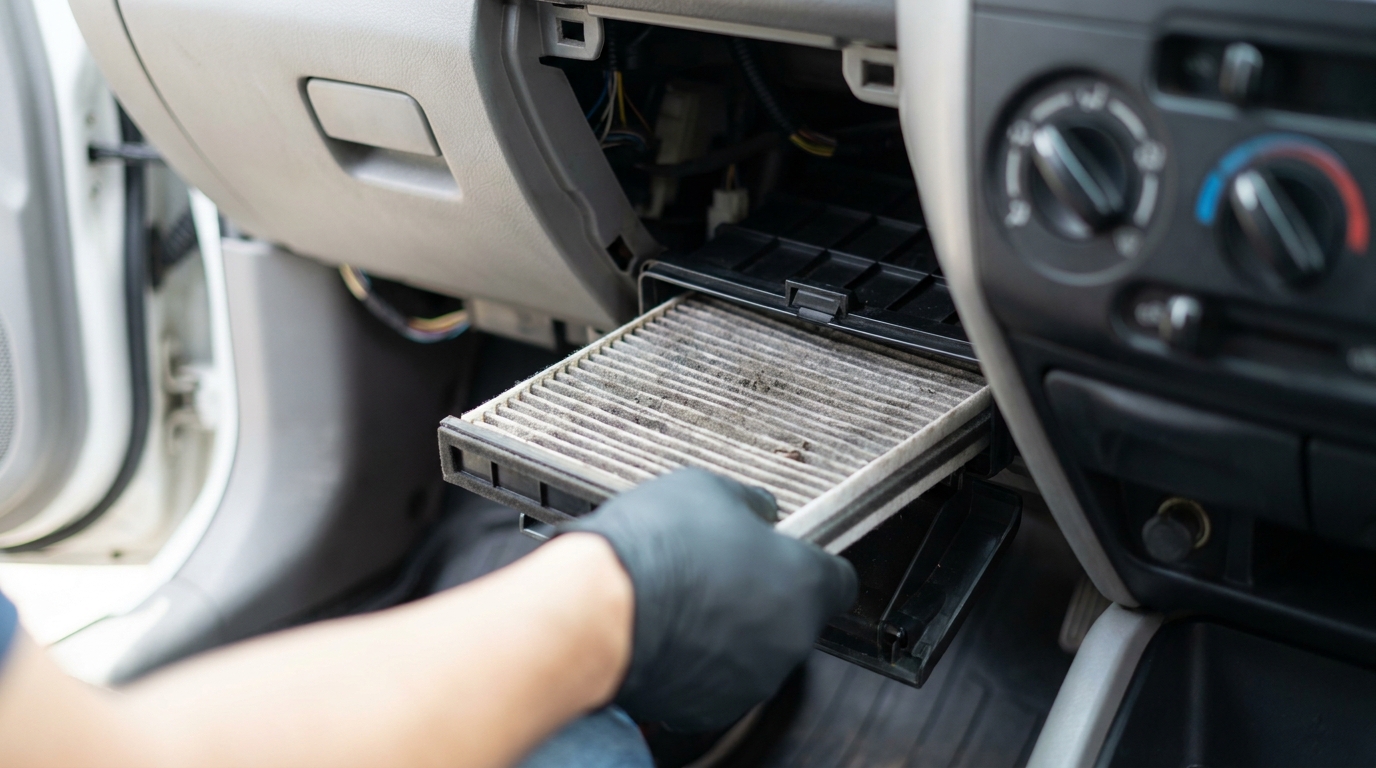
3) Dirty or Saturated Cabin Air Filter
A cabin air filter traps dust, soot, pollen, and organic debris before air enters the cabin. When it becomes clogged or damp, it can smell musty on its own and also restrict airflow—making the evaporator stay wetter longer. In some cars, the filter sits near the windshield cowl where leaves and moisture can accumulate, compounding the problem.
Real example: After a rainy season, a driver notices a mildew smell and weak airflow. The cabin filter is blackened and slightly wet, likely from a clogged cowl drain or water intrusion. Replacing the filter improves airflow immediately and reduces odor, but the underlying moisture source still needs attention.
4) Leaves and Debris in the Cowl/Intake Area
Outside air enters through an intake near the base of the windshield. If leaves, pine needles, or dirt collect there, they can rot and smell musty—especially when wet. Some of that odor gets pulled into the HVAC system, and some debris can migrate deeper, contributing to drain clogs and microbial growth.
This is common if you park under trees or rarely clean the cowl area. The smell may be worse after rain, after a car wash, or in the fall when leaf litter is heavy.
5) Water Leaks and Damp Carpets (Not the AC Itself)
Sometimes the vents are just the delivery system for a smell that’s coming from the cabin. Wet carpet, underlayment, or insulation can harbor mildew and release odors when the HVAC fan circulates air. Common causes include sunroof drain clogs, door seal leaks, windshield seal issues, or a blocked cowl drain.
Clue: If you smell mustiness even with the fan off, or you notice foggy windows and damp floor mats, investigate for cabin moisture. AC cleaning alone won’t solve a leak-driven odor.
How to Diagnose the Source (Before You Start Spraying Products)
It’s tempting to grab an odor bomb or a can of disinfectant and hope for the best. But if you don’t identify where the smell is coming from, you may only mask it for a week or two. A quick diagnosis can point you toward the right fix—whether that’s a cabin filter change, a drain clearing, or a deeper evaporator cleaning.
Start with simple observations: when does the smell appear, how long does it last, and does it change based on AC vs heat, fresh air vs recirculate, or fan speed? These clues help narrow down whether the odor is in the evaporator box, the intake area, or the cabin itself.
You don’t need special tools for the first round of checks. A flashlight, a basic inspection mirror (optional), and a willingness to look under the hood and under the dash can reveal a lot. If you can safely access the cabin filter, that’s often the best first step because it’s quick, inexpensive, and frequently part of the problem.
Step-by-Step Checks You Can Do in 15–30 Minutes
- Check the cabin air filter: Remove it and smell it. If it smells musty, looks dark, or feels damp, replace it. Even if it’s not the only issue, it’s a common contributor.
- Look for AC condensation dripping: After 10–15 minutes of AC use on a warm day, check under the car for water dripping. No drip can suggest a clogged drain (though not always).
- Switch between fresh air and recirculate: If the smell is much worse on fresh air, the intake/cowl area may be the source. If it’s similar on both, focus on the evaporator and ducts.
- Test heat vs AC: Musty smell on AC but not heat often points to evaporator moisture. Musty smell on heat too can suggest duct contamination or cabin moisture.
- Feel carpets and check for fogging: Damp carpet, wet mats, or persistent window fogging suggests a leak or standing water issue.
When the Smell Isn’t “Musty” (Red Flags)
Be careful not to mislabel odors. If you notice a sweet smell and greasy film on the windshield, that can suggest a heater core leak (coolant). A sharp, solvent-like odor could indicate chemical contamination or a recent cleaning product lingering in the ducts. A rotten or decaying smell might be a dead rodent in the blower housing or intake area. In these cases, stop DIY deodorizing and inspect further—some issues can be health hazards or lead to expensive damage if ignored.
DIY Solutions That Actually Work (Cleaning, Drying, and Filtering)
Once you’ve identified the likely source, you can choose a solution that targets it directly. The most effective DIY approach usually combines three elements: remove the food source (dust/debris), kill the microbes (clean/disinfect), and reduce future moisture (drying habits and proper drainage). Doing only one of these can lead to quick odor return.
Many drivers have success with a cabin air filter replacement plus an evaporator cleaner designed for automotive HVAC systems. These cleaners typically come as foams or aerosols that expand on the evaporator surface and then drain out, carrying loosened grime with them. If you choose a product, follow the instructions precisely—especially regarding ventilation and drying time.
Also remember that “more chemical” isn’t better. Overuse of fragrances can create a different problem: lingering perfume odors and potential irritation. Aim for cleaning and neutralization, not masking.
1) Replace the Cabin Air Filter (Often the Best First Fix)
Replacing the cabin filter is inexpensive and can immediately reduce odor and improve airflow. Choose a high-quality filter that fits properly; activated carbon filters can help with odors, but they are not a substitute for cleaning microbial growth on the evaporator. If your filter housing has leaves or dirt, vacuum it out before installing the new filter.
Practical tip: If you live in a humid climate or drive in heavy pollen/dust, consider replacing the cabin filter more often than the manual suggests. Many vehicles benefit from 10,000–15,000 miles or once a year, whichever comes first, and more frequently in harsh conditions.
2) Clean the Evaporator and HVAC Ducts (Target the Root Cause)
For the classic “first blast musty” smell, an evaporator cleaner is usually the most direct DIY solution. Some products are applied through the condensate drain tube; others are applied through the blower motor opening or the cabin filter slot. The goal is to coat the evaporator fins where microbes grow.
After application, run the fan as directed to dry out the system. Plan to do this outdoors or in a well-ventilated area. If the smell improves but returns quickly, it can indicate heavy buildup, a drainage issue, or ongoing moisture intrusion that needs deeper attention.
Real example: A driver replaces the cabin filter and uses an evaporator foam cleaner. The odor disappears for two months, then returns after a stretch of rainy weather. The second time, they also clear leaves from the cowl and confirm the drain drips properly—this time the smell stays gone.
3) Clear the Cowl Intake Area (Stop Feeding the Problem)
Open the hood and inspect the area at the base of the windshield (the cowl). Remove leaves and debris by hand or with a vacuum. If you see standing water in the cowl area after rain, the cowl drains may be clogged. Keeping this area clean reduces organic material entering the HVAC system and helps prevent drain clogs.
Practical tip: If you regularly park under trees, make cowl cleaning part of your seasonal routine—especially in the fall. A few minutes of cleanup can prevent months of odor and potential water intrusion.
4) Use a Dry-Out Routine to Prevent Odor Return
One of the simplest prevention methods is changing how you shut the car off. Because the evaporator is wet when the AC runs, turning off the AC a few minutes before you reach your destination can help it dry. Keep the fan running with fresh air (not recirculate) for the last 2–5 minutes of the drive when practical.
This isn’t always convenient in extreme heat, but even doing it occasionally—like on cooler days or the last minute of a commute—can reduce how long moisture sits on the evaporator. Less moisture time means less microbial growth.
5) Avoid “Odor Bombs” as a Standalone Fix
Fogger-style odor bombs can make the cabin smell better temporarily, but they often don’t clean the evaporator core where the odor starts. They can be useful as a finishing step after cleaning, especially if the smell has permeated upholstery, but they should not be the primary solution for a musty AC smell.
If you do use a fogger, replace the cabin filter afterward (or before, depending on product directions) so you don’t immediately contaminate the new filter with leftover residue and loosened debris.
When to Get Professional Help (And What a Shop Should Check)
Some musty-vent problems are too stubborn for basic DIY cleaning, especially if the evaporator is heavily contaminated, the drain is blocked deep in the HVAC box, or there’s a water leak soaking the cabin insulation. In those cases, professional diagnosis can save you money by addressing the real cause instead of repeating the same quick fixes.
A reputable shop can perform a more thorough evaporator cleaning, sometimes using specialized tools to access the evaporator surface and flush the drain safely. They can also inspect for HVAC box leaks, confirm proper drain routing, and check whether the blower motor housing is contaminated with debris or even rodent nesting material.
Professional help is also wise if you experience symptoms beyond odor: reduced airflow that doesn’t improve with a new filter, recurring window fogging, wet carpet, or unusual noises behind the dash. These can point to mechanical or drainage issues that need more than a spray cleaner.
Services and Checks to Ask For
- Evaporator core cleaning/disinfection: Ask whether they clean the evaporator surface directly and how they ensure the cleaner drains out properly.
- Evaporator drain inspection/clearing: Confirm they will check for proper drainage and clear clogs without damaging the drain tube.
- Cabin leak inspection: If carpets are damp, ask for a water intrusion check (cowl drains, sunroof drains, door seals, windshield area).
- Cabin air filter replacement: Ensure the filter is installed in the correct airflow direction and the housing is cleaned.
- Blower housing inspection: Debris or mold upstream of the evaporator can reintroduce odors quickly.
What “Good” Looks Like After Repair
After proper cleaning and drainage correction, the AC should smell neutral—no damp odor at startup, no lingering mustiness when idling, and no need to blast fragrance to cover it up. You should also see normal condensation dripping under the car on humid days with AC running. If the smell returns within days, that’s a sign the underlying moisture source wasn’t resolved or the contamination is heavier than expected.
Long-Term Prevention: Keep Your AC Smelling Clean Year-Round
Preventing musty AC smells is mostly about controlling moisture and keeping organic debris out of the HVAC system. Once you’ve cleaned the system, a few maintenance habits can keep it fresh for months or years. Think of this like dental care: cleaning fixes the problem, but daily habits prevent it from coming back.
Prevention also protects comfort and health. While most people won’t get sick from a slightly musty vent, heavy microbial growth can irritate allergies and asthma, especially for sensitive passengers. A clean HVAC system also tends to perform better, with more consistent airflow and less strain on the blower motor.
Finally, prevention can protect your vehicle’s interior. If the smell is linked to water intrusion or blocked drains, catching it early can prevent soaked carpet, corrosion, and expensive electrical issues that sometimes occur when water pools under the dash.
Habits That Make a Real Difference
- Use the dry-out routine: Turn off AC and run the fan on fresh air for 2–5 minutes before parking when practical.
- Replace the cabin filter on schedule: At least annually, and more often in dusty/pollen-heavy areas.
- Keep the cowl clear: Remove leaves and debris regularly, especially after storms and during fall.
- Run the AC year-round: Even in winter, occasional AC use helps dehumidify and can keep seals lubricated (use defrost mode if needed).
- Address wet carpets immediately: Dry them thoroughly and find the leak source—don’t let moisture linger.
A Simple Seasonal Maintenance Checklist
Spring: Replace the cabin filter if pollen is heavy; clean the cowl area; confirm AC drain drips normally. Summer: Use the dry-out routine during humid weeks; watch for recurring odors after rain. Fall: Remove leaves from the cowl frequently; consider an evaporator cleaner if you notice early mustiness. Winter: Use defrost/AC to control humidity; check for wet floor mats from snow and slush and dry them promptly.
Conclusion: Eliminate Musty AC Smells for Good
Musty smells from car AC vents usually come down to a simple equation: moisture plus debris equals microbial growth. The evaporator core is the most common source, but clogged drains, dirty cabin filters, leaf-filled cowl intakes, and even cabin water leaks can all contribute. The fastest path to a lasting fix is diagnosing the odor pattern, addressing filtration and drainage, and cleaning the evaporator rather than masking the smell.
For many drivers, the winning combination is straightforward: replace the cabin air filter, clean the evaporator with a purpose-made HVAC cleaner, and keep the cowl area free of debris. If the odor returns quickly or you notice damp carpets, foggy windows, or no AC condensation dripping, it’s time to investigate deeper or enlist a professional.
Key takeaways: (1) Musty AC odors are usually microbial growth on a damp evaporator, not low refrigerant. (2) Fixes work best when they remove debris, disinfect, and restore proper drainage. (3) Prevention is simple—keep the intake area clean, change the cabin filter regularly, and dry the system before parking when you can. With the right approach, you can get back to clean, fresh air every time you start the car.